
The Ultimate Guide to Demo Forex Trading
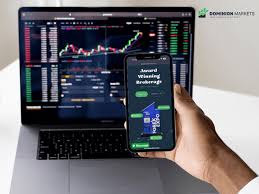
In the world of forex trading, demo accounts have become an essential tool for traders. Whether you are a complete novice or a seasoned trader looking to refine your skills, a demo account offers a risk-free environment to practice trading strategies and familiarize yourself with the trading platform. This guide explores the nuances of demo forex trading, its advantages, and how to make the most out of your demo trading experience. Additionally, we will discuss how to select the demo forex trading Best Argentine Brokers for your trading needs.
What is Demo Forex Trading?
Demo forex trading refers to trading in the forex market using a simulated environment that mimics real trading conditions without the risk of loss. Traders use demo accounts to learn how to navigate trading platforms, practice their strategies, and test trading systems before entering the live markets.
Benefits of Demo Forex Trading
- Risk-Free Learning: The foremost advantage of demo trading is the ability to learn and practice without financial risk. Traders can experiment with different currency pairs and strategies without the fear of losing real money.
- Platform Familiarization: Many brokers offer complex trading platforms with various tools. Demo accounts allow traders to get accustomed to the interface, charting tools, and order types.
- Strategy Testing: A demo account is an excellent space to test new trading strategies or refine existing ones. Traders can analyze their performance and make necessary adjustments before committing real capital.
- Emotional Management: While demo trading cannot fully replicate the emotional pressures of live trading, it allows traders to confront and understand their emotions in trading situations. This knowledge can be invaluable when they trade with real money.
How to Start Demo Trading
Starting with demo forex trading is a straightforward process:
- Choose a Forex Broker: Select a reputable broker that offers a demo account. Look for features such as low spreads, a variety of currency pairs, and good customer support.
- Open a Demo Account: Sign up for a demo account on the broker’s website. You will typically be asked to provide some personal information.
- Download Trading Software: Most brokers will provide access to trading platforms like MetaTrader 4 or 5. Download the necessary software to start trading.
- Start Trading: Use virtual funds to begin trading. Focus on practicing strategies and familiarizing yourself with the trading platform.
Strategies for Effective Demo Trading
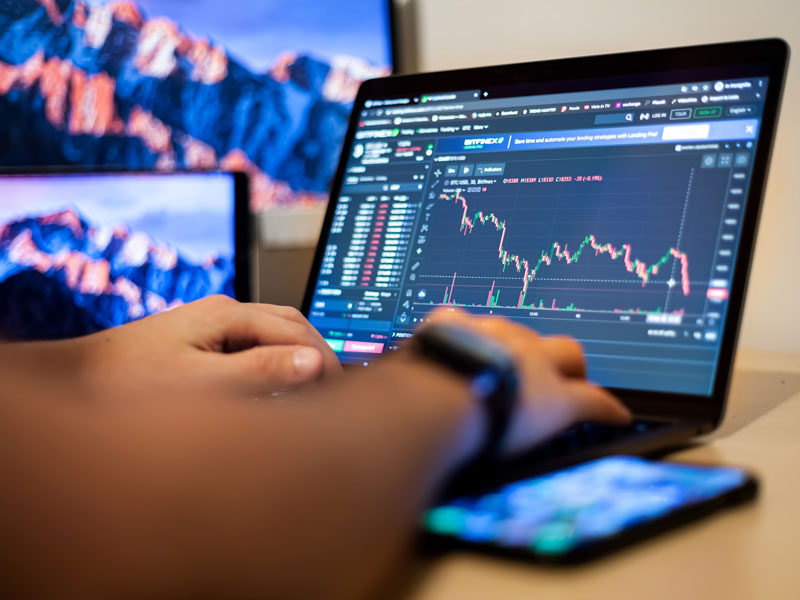
While trading in demo mode, it is important to adopt effective strategies to maximize your learning:
- Set Goals: Have specific objectives for your demo trading experience. Whether improving your win rate, mastering a specific strategy, or learning how to analyze market trends, clear goals will enhance your learning process.
- Keep a Trading Journal: Document your trades, strategies, and outcomes. Keeping a journal allows you to analyze your successes and failures, providing important insights to improve your trading skills.
- Simulate Real Trading Conditions: Treat your demo account as if it were real. Avoid the temptation to take excessive risks simply because you are using virtual money.
- Stay Disciplined: Stick to your trading plan and avoid impulsive decisions. Developing discipline in demo trading will help you maintain similar habits when you transition to live trading.
Transitioning from Demo to Live Trading
When you feel confident in your trading skills in a demo environment, you may consider transitioning to live trading. Here are some tips to make the shift smoother:
- Start Small: Begin trading with a small amount of capital. This approach allows you to manage your risk while adjusting to the psychological aspects of trading real money.
- Review Your Strategy: Before moving to live trading, analyze the strategies that worked well in the demo and refine any that need adjustments based on your experiences.
- Maintain Realistic Expectations: Understand that the emotional dynamics and market conditions can differ significantly in live trading. Set realistic profit targets and be prepared for losses.
Choosing the Right Broker
Your choice of broker for demo trading is crucial. Here are key factors to consider:
- Regulation: Ensure that the broker is regulated by a reputable authority. Regulation ensures that the broker operates within certain standards, providing a level of security for your funds.
- Spread and Fees: Look for brokers that offer competitive spreads and minimal fees for trading. High costs can erode your profitability.
- Customer Support: Good brokers should provide customer service that can assist you whenever you encounter issues while trading.
- User-Friendly Platform: A user-friendly platform is essential for efficient trading. Ensure that you feel comfortable navigating it, especially in high-stress trading situations.
Conclusion
Demo forex trading serves as a vital training ground for both aspiring and experienced traders looking to sharpen their skills. With the right approach, strategies, and broker, traders can make significant progress without the risk of financial loss. As you transition from a demo to a live trading environment, remember to maintain discipline, manage risk effectively, and keep education at the forefront of your trading journey. Embrace the tools and resources available to you, and may your trading experience lead you toward success.
